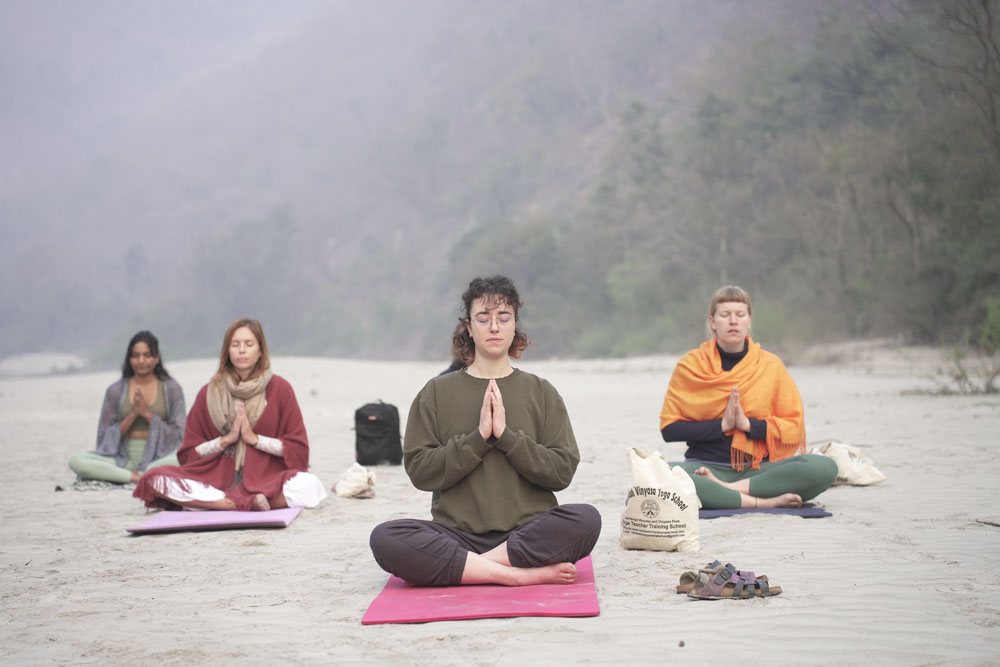
Depression is more than just feeling sad or low for a few days. It can quietly affect every part of life—emotions, relationships, physical health, and even one’s sense of purpose. In today’s fast-paced world, many people find themselves overwhelmed by constant stress, emotional exhaustion, and unresolved inner pain. While therapy and medical treatment play an important role in recovery, many individuals are now seeking deeper, more holistic approaches to healing. This is where a retreat for depression can become a powerful and life-changing experience.
A retreat designed for emotional healing offers a safe and nurturing environment where individuals can step away from daily pressures and reconnect with themselves. It is not about escaping life but about learning how to live it with greater awareness, balance, and compassion.
Understanding the Need for a Healing Retreat
Depression often develops when the mind and body remain under stress for long periods without rest or emotional release. Over time, this can lead to feelings of emptiness, fatigue, isolation, and a loss of motivation. Many people continue to function outwardly while feeling deeply disconnected inside.
A retreat for depression creates a pause—a much-needed break from routines, responsibilities, and external expectations. This intentional space allows individuals to slow down, reflect, and begin the healing process in a supportive setting. Unlike everyday life, where distractions are constant, retreats offer quiet moments that help people listen to their inner voice and understand what they truly need.
What Makes a Retreat for Depression Unique?
A healing retreat is not a one-size-fits-all solution. It focuses on the whole person—mind, body, and soul. The goal is not to “fix” someone but to guide them toward self-awareness, emotional release, and inner balance.
Most retreats for depression combine various holistic practices such as mindfulness, meditation, yoga, breathwork, creative expression, and therapeutic discussions. These practices work together to calm the nervous system, reduce mental noise, and encourage emotional clarity.
The environment itself plays a crucial role. Natural surroundings like mountains, forests, or peaceful countryside settings help participants feel grounded and safe. Being close to nature has a soothing effect on the mind, offering comfort and a sense of connection that many people with depression deeply crave.
Emotional Safety and Support
One of the most important aspects of a retreat for depression is emotional safety. Participants are often surrounded by trained facilitators, therapists, yoga teachers, or wellness coaches who understand the complexities of mental health. This support helps individuals feel seen, heard, and accepted without judgment.
Group sessions can be especially healing. While depression often makes people feel isolated, sharing experiences in a supportive group reminds participants that they are not alone. Listening to others’ stories can bring comfort, validation, and hope. At the same time, most retreats also respect personal boundaries, allowing individuals to choose how much they wish to share.
Healing Through Mindfulness and Meditation
Mindfulness and meditation are central elements of many depression retreats. These practices teach participants how to observe their thoughts without getting trapped in them. Depression often involves repetitive negative thinking, self-criticism, and worry about the past or future. Mindfulness gently brings attention back to the present moment.
Through guided meditation, individuals learn to sit with their emotions rather than suppressing them. Over time, this practice can reduce emotional intensity and create a sense of inner calm. Even a few minutes of mindful breathing each day can help regulate mood and improve emotional resilience.
The Role of Yoga and Movement
Depression is not only a mental condition; it is also stored in the body. Tension, fatigue, and low energy are common physical symptoms. Gentle yoga and conscious movement help release stored stress and restore vitality.
Unlike intense fitness routines, yoga sessions in depression retreats are usually slow and nurturing. The focus is on reconnecting with the body, improving circulation, and creating a sense of ease. Movement helps stimulate the release of endorphins—natural chemicals that support emotional well-being.
Over time, participants often notice improved sleep, better energy levels, and a more positive relationship with their body.
Breathwork and Emotional Release
Breathwork is another powerful tool used in retreats for depression. Many people breathe shallowly when they are anxious or emotionally overwhelmed. Conscious breathing techniques help calm the nervous system and bring emotional balance.
Certain breathwork practices can also help release suppressed emotions. Tears, laughter, or deep emotional insights may arise during these sessions. This release is a natural and healthy part of healing, allowing participants to let go of emotional weight they may have carried for years.
Reconnecting With Purpose and Meaning
Depression often creates a sense of meaninglessness. People may feel disconnected from their goals, passions, or sense of identity. A retreat provides time and space to explore these deeper questions without pressure.
Journaling, self-reflection exercises, and guided discussions encourage participants to reconnect with their values and inner wisdom. This process can help individuals rediscover what brings them joy, fulfillment, and purpose. Even small realizations can spark hope and motivation to move forward.
Building Tools for Life Beyond the Retreat
A well-designed retreat for depression does not end when participants return home. One of its most valuable aspects is the practical tools and insights people take with them. Daily meditation practices, simple yoga routines, breathing techniques, and mindfulness habits can be integrated into everyday life.
Many retreats also focus on self-compassion—teaching individuals how to be kinder to themselves during difficult moments. This shift in mindset can be transformative, helping people respond to challenges with patience rather than self-judgment.
Who Can Benefit From a Retreat for Depression?
A retreat for depression can benefit anyone feeling emotionally drained, overwhelmed, or disconnected, whether they are experiencing mild depressive symptoms or long-term emotional challenges. It can be especially helpful for those who feel stuck, burned out, or in need of a fresh perspective.
However, it is important to remember that retreats are not a replacement for professional medical care. Individuals with severe depression should consult healthcare providers before attending a retreat.