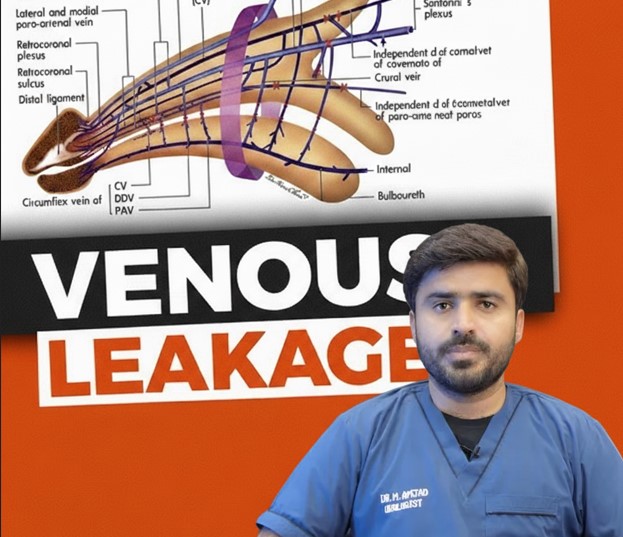
Venous leakage, medically known as veno-occlusive dysfunction, is one of the leading causes of erectile dysfunction (ED) in men. It occurs when the veins in the penis fail to trap blood during an erection, causing blood to flow out too quickly. This results in erections that are insufficient for sexual activity, often leading to frustration, anxiety, and diminished self-confidence.
For men diagnosed with venous leakage, surgery is often suggested as a solution. However, surgery carries inherent risks and recovery time. Many men ask: can venous leakage be cured without surgery?
The short answer is: in many cases, yes—though results vary depending on severity, underlying causes, and overall health. In this article, we will explore venous leakage in detail, its causes, diagnosis, non-surgical treatments, and long-term management strategies.
What Is Venous Leakage?
To understand why venous leak occurs, it is crucial to know how a normal erection works.
During sexual arousal, arteries in the penis dilate, allowing blood to flow into the corpora cavernosa, the sponge-like structures of the penis. Normally, the veins surrounding these chambers compress, trapping blood inside and sustaining the erection.
In venous leakage, these veins do not close properly, allowing blood to escape prematurely. As a result, the erection cannot be maintained, and the penis becomes soft before or during intercourse.
Venous leakage can be classified into mild, moderate, or severe, based on how quickly blood escapes and how much it affects sexual function.
Causes of Venous Leakage
Venous leakage can arise from structural, physiological, or lifestyle-related factors. Understanding the root cause is critical for effective non-surgical management.
1. Structural or Anatomical Causes
-
Weak or damaged penile veins: This may result from congenital issues or injuries to the penis or pelvis.
-
Connective tissue disorders: Conditions like Peyronie’s disease can affect the tunica albuginea (the membrane around the corpora cavernosa), weakening venous compression.
-
Aging: Natural loss of elasticity in penile tissues and veins can contribute to venous leakage in older men.
2. Medical Conditions
-
Diabetes mellitus: Chronic high blood sugar damages blood vessels and nerves, reducing penile rigidity.
-
Hypertension and atherosclerosis: High blood pressure and plaque buildup restrict blood flow, impairing both arterial inflow and venous compression.
-
Hormonal imbalances: Low testosterone levels can reduce libido and contribute indirectly to ED.
3. Lifestyle Factors
-
Smoking: Nicotine damages blood vessels, making it harder to maintain an erection.
-
Excessive alcohol: Alcohol depresses the nervous system and dilates veins, worsening leakage.
-
Obesity and sedentary lifestyle: Poor circulation and weakened pelvic muscles contribute to ED and venous leakage.
Symptoms of Venous Leakage
Men with venous leakage typically report:
-
Difficulty achieving or maintaining an erection
-
Erection that is firm at first but softens quickly
-
Reduced penile rigidity during intercourse
-
Overall sexual dissatisfaction and performance anxiety
-
Sometimes, morning erections remain normal, suggesting that the issue is primarily venous
It is important to note that venous leakage can coexist with other forms of ED, such as arterial insufficiency or neurogenic ED, making diagnosis more complex.
Diagnosis of Venous Leakage
Diagnosing venous leakage requires both clinical assessment and specialized testing.
1. Medical History and Physical Examination
Doctors examine:
-
Sexual history, including onset and duration of symptoms
-
Previous pelvic or penile injuries
-
Presence of comorbidities like diabetes, hypertension, or hormonal disorders
2. Laboratory Tests
Blood tests may include:
-
Hormonal evaluation (testosterone, prolactin, LH, FSH)
-
Blood sugar and lipid profile to detect vascular risk factors
3. Imaging Studies
-
Doppler Ultrasound: Measures blood flow in penile arteries and veins. Reduced arterial inflow or rapid venous outflow indicates venous leakage.
-
Dynamic Infusion Cavernosometry and Cavernosography (DICC): Considered the gold standard, this procedure measures penile pressure during induced erection and visualizes leaking veins.
Early and accurate diagnosis is essential for planning a treatment approach, especially for non-surgical therapies.
Non-Surgical Treatments for Venous Leakage
While surgery (such as venous ligation or penile implants) can provide a permanent solution, several non-invasive options may improve venous leakage, particularly in mild to moderate cases.
1. Medications
PDE5 Inhibitors
Drugs like sildenafil (Viagra), tadalafil (Cialis), and vardenafil (Levitra) improve erectile function by:
-
Enhancing nitric oxide-mediated vasodilation
-
Increasing arterial blood inflow to the penis
-
Indirectly improving the ability of veins to trap blood
Note: PDE5 inhibitors do not repair the veins, but they can restore satisfactory erectile function in many men with venous leakage.
Hormone Therapy
-
Testosterone replacement therapy (TRT) is considered if low testosterone contributes to ED.
-
Normalizing hormone levels can improve libido, mood, and erection quality.
2. Lifestyle Modifications
Lifestyle changes have a profound effect on vascular health and venous function:
-
Exercise: Aerobic activities (running, cycling, swimming) improve blood flow, while pelvic floor exercises (Kegel exercises) strengthen muscles that help maintain erections.
-
Diet: A diet rich in fruits, vegetables, whole grains, and omega-3 fatty acids supports vascular health. Avoid processed foods, excess sugar, and saturated fats.
-
Weight management: Obesity increases the risk of vascular disease and ED; losing weight can improve erectile quality.
-
Smoking cessation: Smoking damages veins and arteries, reducing the ability to trap blood in the penis.
-
Limit alcohol consumption: Excess alcohol relaxes veins and depresses the nervous system, worsening ED.
Studies have shown that men adopting these lifestyle measures often experience measurable improvement in erection quality and sexual satisfaction.
3. Mechanical Devices
Vacuum Erection Devices (VED)
-
VEDs create negative pressure around the penis, drawing blood into the corpora cavernosa.
-
They help men achieve and maintain an erection.
-
Regular use may improve tissue oxygenation and indirectly strengthen venous function.
Penile Traction Therapy
-
Devices apply gentle, consistent stretching to the penis.
-
Promotes tissue remodeling and may improve elasticity of the tunica albuginea.
-
Useful in combination with other non-surgical treatments.
4. Shockwave Therapy
Low-intensity extracorporeal shockwave therapy (Li-ESWT) is an innovative, non-invasive treatment that may help in venous leakage:
-
Shockwaves stimulate angiogenesis (formation of new blood vessels) and improve blood flow.
-
Sessions typically last 15–20 minutes, repeated over several weeks.
-
Clinical studies report improvement in erectile rigidity in men with mild to moderate vascular ED, including those with venous leakage.
While promising, long-term studies are ongoing to confirm sustained benefits.
5. Regenerative Therapies
Emerging treatments aim to restore natural tissue and vascular function:
Stem Cell Therapy
-
Involves injecting stem cells into the penis to regenerate damaged vascular and smooth muscle tissue.
-
Early studies show improvement in erectile function and venous competence.
Platelet-Rich Plasma (PRP)
-
PRP therapy uses concentrated platelets from the patient’s blood, injected into penile tissue.
-
Platelets release growth factors that stimulate tissue repair and improve blood flow.
Note: Both therapies are still experimental, and more research is needed to confirm their long-term effectiveness and safety.
6. Psychological and Behavioral Interventions
Psychological factors often exacerbate venous leakage:
-
Stress, anxiety, depression, or performance anxiety can reduce erectile rigidity.
-
Cognitive-behavioral therapy (CBT), sex therapy, and mindfulness techniques can improve sexual confidence and reduce anxiety-related ED.
-
Integrating psychological support with medical or mechanical therapy increases overall treatment success.
Effectiveness of Non-Surgical Treatments
The success of non-surgical interventions depends on:
-
Severity of venous leakage: Mild to moderate cases respond better to lifestyle changes, medications, and mechanical devices.
-
Underlying causes: Men with structural damage to veins may see limited improvement without surgery.
-
Consistency of therapy: Regular use of medications, devices, and lifestyle changes is key.
Studies suggest that combining therapies—lifestyle changes, PDE5 inhibitors, VEDs, and shockwave therapy—produces the best outcomes without surgery.
Long-Term Management and Prevention
Men can reduce the risk of venous leakage or prevent worsening of the condition by focusing on:
-
Cardiovascular health: Maintain regular exercise, healthy weight, and a balanced diet.
-
Avoid smoking and excessive alcohol.
-
Manage chronic conditions: Control diabetes, hypertension, and cholesterol.
-
Pelvic floor exercises: Strengthen muscles involved in erectile function.
-
Regular sexual activity: Helps maintain penile tissue health and elasticity.
Preventing venous leakage is easier than reversing advanced cases, emphasizing the importance of early intervention.
When Surgery May Be Necessary
Non-surgical treatments may not work in severe cases, including:
-
Advanced structural damage to penile veins
-
Persistent venous leakage unresponsive to conservative therapy
-
Desire for permanent correction
Surgical options include:
-
Venous ligation: Tying off leaking veins to prevent blood from escaping
-
Penile implants: Prosthetic devices that provide reliable erections
-
Combination vascular surgery: Correcting arterial inflow and venous outflow simultaneously
Consultation with a urologist specializing in ED and penile vascular disorders is essential before considering surgery.
Conclusion
Venous leakage is a significant cause of erectile dysfunction but can often be managed without surgery, especially in mild to moderate cases.
Non-surgical strategies include:
-
Medications (PDE5 inhibitors, hormone therapy)
-
Lifestyle modifications (exercise, diet, smoking cessation, weight management)
-
Mechanical devices (VEDs, penile traction therapy)
-
Shockwave therapy
-
Emerging regenerative therapies (stem cells, PRP)
-
Psychological counseling
A multi-modal approach—combining lifestyle changes, medical therapy, and mechanical or regenerative treatments—offers the best chance of improving erectile function without invasive surgery.
Early intervention, proper diagnosis, and a personalized treatment plan are critical for successful management. For men with venous leakage, non-surgical approaches can not only restore sexual function but also enhance overall vascular and psychological health.
Key takeaway: Surgery is not the only solution for venous leakage. With modern therapies and lifestyle management, many men can regain erectile function and improve quality of life without invasive procedures.