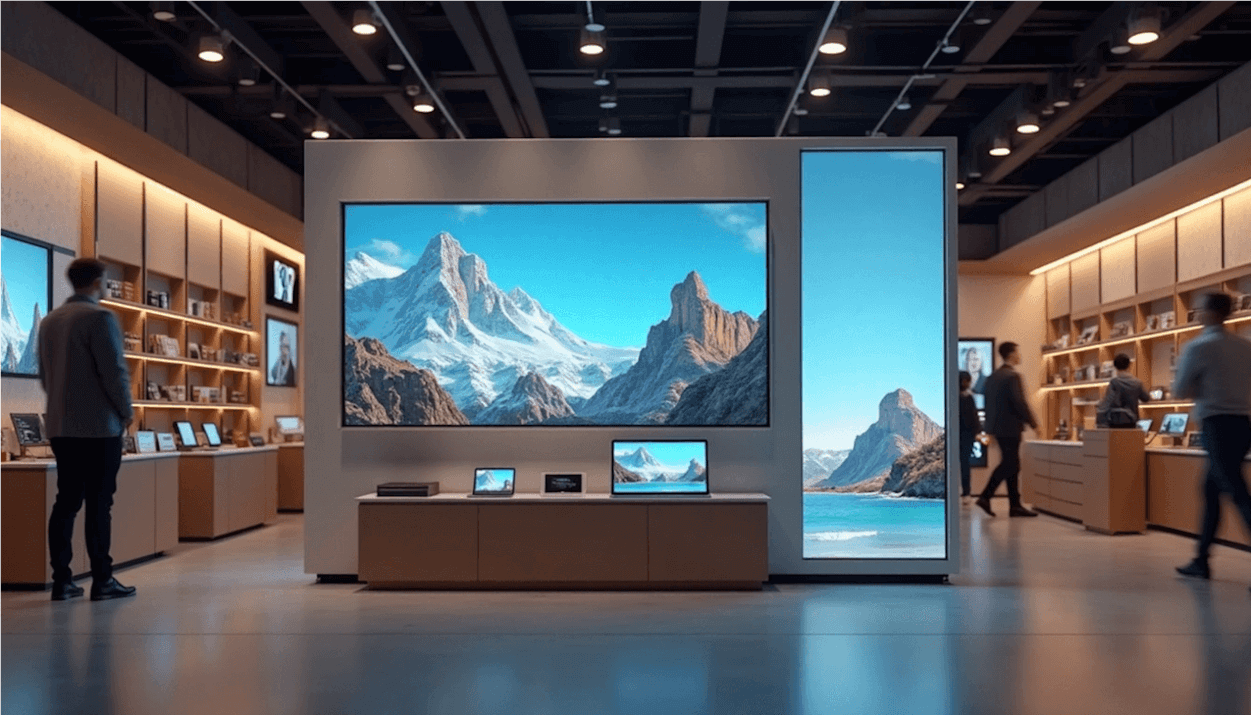
In an increasingly competitive retail environment, brands are constantly searching for new ways to capture consumer attention, influence purchasing decisions, and create memorable in-store experiences. Digital Point-of-Sale (POS) displays have emerged as a powerful marketing tool that bridges the gap between online sophistication and physical retail presence.
Unlike traditional static signage, digital POS displays leverage dynamic content, real-time data, and interactive capabilities to drive engagement and sales at the exact moment a customer is ready to buy.
This article explores how digital POS displays can be effectively integrated into marketing campaigns, the strategic advantages they offer, and best practices for maximizing their impact.
What Are Digital POS Displays?
Digital POS displays are electronic screens—such as LCD, LED, or touchscreen displays—placed near checkout counters, endcaps, aisles, or product shelves. They are designed to present dynamic content including videos, animations, promotions, pricing updates, product information, and branded messaging. These displays are typically managed through a centralized content management system (CMS), allowing marketers to update campaigns across multiple locations instantly.
Because they operate at the point of decision-making, digital POS displays are uniquely positioned to influence last-minute purchases and reinforce brand messaging when it matters most.
Enhancing Brand Visibility And Recall
One of the most significant benefits of digital POS displays is their ability to enhance brand visibility. Motion graphics, video loops, and vivid colors naturally attract the human eye, making digital displays far more noticeable than static posters or printed signs.
In marketing campaigns, this increased visibility translates into stronger brand recall. For example, a beverage brand running a seasonal promotion can use animated visuals, branded colors, and short video clips to reinforce its identity. When customers repeatedly see the same messaging across different store visits or locations, brand recognition improves, which can influence future purchasing decisions.
Influencing Purchase Decisions At The Critical Moment
Marketing campaigns often focus on awareness and consideration, but the final purchase decision happens in-store. Digital POS displays directly address this critical moment. By showcasing limited-time offers, bundle deals, or complementary products, these displays can nudge customers toward higher-value purchases.
For instance, a digital screen near the checkout can promote an add-on product with a short message such as “Complete Your Purchase” or “Customers Also Bought.” This type of contextual messaging supports impulse buying and increases average transaction value without requiring additional staff intervention.
Enabling Real-Time And Data-Driven Campaigns
Unlike traditional signage, digital POS displays allow marketers to adapt campaigns in real time. Content can be updated instantly based on inventory levels, time of day, location, or ongoing promotions. This flexibility enables highly targeted and data-driven marketing strategies.
For example:
- A restaurant can promote breakfast items in the morning and switch to lunch specials automatically in the afternoon.
- A retail chain can highlight overstocked items to move inventory faster.
- Campaigns can be adjusted based on local events, weather conditions, or regional preferences.
By integrating POS systems and analytics tools, marketers can also measure performance—tracking which promotions drive sales and refining future campaigns accordingly.
Supporting Omnichannel Marketing Strategies
Modern consumers expect a seamless experience across online and offline channels. Digital POS displays play a crucial role in bridging this gap. They can reinforce messaging from online campaigns, social media promotions, or email marketing, creating a cohesive omnichannel strategy.
For example, a fashion retailer launching a new collection online can mirror the campaign visuals on in-store digital displays. QR codes or NFC technology can be incorporated into the display, allowing shoppers to explore product reviews, social media content, or exclusive online offers directly from their smartphones.
This integration ensures consistent branding and messaging across all touchpoints, strengthening customer trust and engagement.
Increasing Engagement Through Interactivity
Interactive digital POS displays take engagement a step further. Touchscreens, gesture controls, or mobile integrations allow customers to actively explore products rather than passively viewing advertisements. This interactivity transforms the shopping experience into a personalized journey.
Interactive displays can:
- Allow customers to browse product variations or sizes.
- Provide detailed specifications or usage tutorials.
- Offer personalized recommendations based on preferences.
From a marketing perspective, interactivity increases dwell time, deepens brand connection, and provides valuable insights into consumer behavior—all of which can be leveraged to optimize future campaigns.
Reducing Costs And Improving Sustainability
While digital POS displays require an upfront investment, they can significantly reduce long-term marketing costs. Traditional printed signage involves recurring expenses for design, printing, shipping, and installation. Digital displays eliminate these recurring costs by allowing instant content updates without physical materials.
Additionally, digital displays support sustainability initiatives by reducing paper waste and the environmental impact associated with printing and distribution. For brands positioning themselves as eco-conscious, this can be a compelling part of their overall marketing narrative.
Strengthening Consistency Across Multiple Locations
For businesses with multiple retail locations, maintaining consistent branding and messaging can be a challenge. Digital POS displays solve this by enabling centralized control over content distribution. Marketing teams can roll out campaigns across all stores simultaneously, ensuring uniform messaging and visual standards.
At the same time, localized variations can be introduced when needed. For example, a national campaign can be adapted to highlight local promotions or regional products without compromising brand consistency.
The Best Practices For Using Digital POS Displays In Campaigns
To maximize the effectiveness of digital POS displays, marketers should follow a few best practices:
- Keep content concise and visually engaging – Shoppers have limited attention spans; messages should be clear and impactful within seconds.
- Align messaging with customer intent – Content should match the shopper’s stage in the buying journey.
- Update content regularly – Fresh, relevant content prevents display fatigue and maintains engagement.
- Measure and optimize – Use sales data and analytics to assess campaign performance and refine strategies.
- Integrate with broader marketing efforts – Ensure digital POS displays complement online and offline campaigns.
Maximising The Power Of Modern Marketing
Digital Point-of-Sale displays have transformed in-store marketing from static communication into a dynamic, data-driven, and interactive experience. By capturing attention, influencing purchasing decisions, and enabling real-time campaign management, they offer marketers a powerful way to connect with consumers at the moment of truth.
As retail continues to evolve and customer expectations rise, digital POS displays are no longer a nice-to-have—they are a strategic asset. When thoughtfully integrated into marketing campaigns, they can drive sales, enhance brand perception, and create a more engaging and memorable customer experience.