Erectile dysfunction (ED) is a condition that affects a man’s ability to achieve or maintain an erection firm enough for satisfactory sexual intercourse. While occasional erectile difficulty can be normal, persistent ED can significantly impact self-confidence, intimate relationships, emotional well-being, and overall quality of life. According to medical studies, millions of men worldwide suffer from moderate to severe erectile dysfunction, particularly those over the age of 40.
For many men, first-line treatments such as oral medications (PDE5 inhibitors), lifestyle changes, counseling, injections, or vacuum erection devices provide adequate results. However, a substantial number of patients do not respond to these treatments or cannot tolerate their side effects. In such cases, a penile implant offers a permanent, reliable, and highly effective solution.
A penile implant, also known as a penile prosthesis, is a surgically implanted medical device that enables a man to achieve an erection on demand. Modern penile implants are technologically advanced, discreet, safe, and associated with some of the highest satisfaction rates among all erectile dysfunction treatments.
This article provides a highly detailed and comprehensive overview of penile implants, including medical indications, implant types, surgical procedure, recovery, results, risks, psychological impact, and frequently asked questions.
What Is a Penile Implant?
A penile implant is an internal medical device surgically placed inside the penis to allow men with erectile dysfunction to achieve and maintain an erection. Unlike medications or injections that rely on blood flow and nerve signaling, penile implants work mechanically, making them effective even in severe or complex cases of ED.
Once implanted, the device remains completely concealed within the body. There are no external components, and the implant does not interfere with urination, ejaculation, orgasm, or sexual sensation in most men.
Penile implants are considered a third-line or definitive treatment for erectile dysfunction when conservative therapies fail.
Causes of Erectile Dysfunction That May Require a Penile Implant
Penile implants are particularly effective for ED caused by:
- Diabetes-related nerve and blood vessel damage
- Cardiovascular disease and poor penile blood flow
- Prostate cancer surgery (radical prostatectomy)
- Pelvic radiation therapy
- Spinal cord injury or neurological disorders
- Severe Peyronie’s disease with curvature and ED
- Long-standing ED unresponsive to medications
- Congenital penile abnormalities
Men who have tried and failed multiple ED treatments often consider penile implants as a definitive solution.
Who Is an Ideal Candidate for a Penile Implant?
A man may be considered a good candidate for penile implant surgery if he:
- Has chronic erectile dysfunction lasting more than 6–12 months
- Has not responded to oral medications or injections
- Cannot use ED medications due to side effects or contraindications
- Desires a permanent and spontaneous solution
- Has realistic expectations about outcomes
- Is physically and psychologically fit for surgery
Patients with uncontrolled diabetes, active infections, or severe systemic illnesses may need medical optimization before surgery.
Types of Penile Implants
There are two primary categories of penile implants used worldwide:
1. Inflatable Penile Implants (IPP)
Inflatable penile implants are the most advanced and commonly chosen option, accounting for more than 90% of implants in developed healthcare systems.
Components
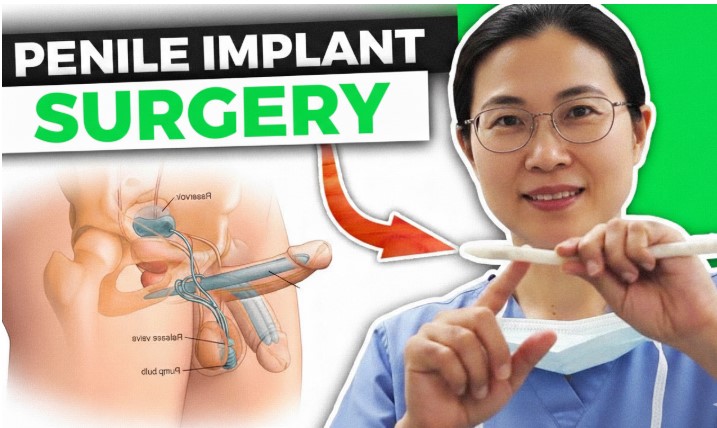
- Two inflatable cylinders placed inside the penile erectile chambers
- A fluid reservoir placed in the lower abdomen or pelvis
- A pump with a release valve placed inside the scrotum
How It Works
When the man squeezes the pump in the scrotum, fluid from the reservoir fills the cylinders, producing a firm and natural-feeling erection. Pressing the release valve returns the fluid to the reservoir, allowing the penis to become flaccid.
Advantages
- Most natural appearance and feel
- Adjustable firmness and rigidity
- Penis remains soft and natural when deflated
- High patient and partner satisfaction
Disadvantages
- More complex device
- Higher cost compared to malleable implants
- Slight risk of mechanical failure over time
2. Malleable (Semi-Rigid) Penile Implants
Malleable implants consist of two flexible rods surgically placed inside the penis.
How It Works
The penis is manually positioned upward for sexual activity and downward for concealment.
Advantages
- Simple design
- Lower risk of mechanical malfunction
- Easier to use for elderly patients or those with limited hand dexterity
- Lower cost
Disadvantages
- Penis remains semi-rigid at all times
- Less natural appearance
- More difficult to conceal under clothing
Preoperative Evaluation and Preparation
Before penile implant surgery, a thorough medical evaluation is essential. This includes:
- Detailed medical and sexual history
- Physical examination
- Blood tests and urine analysis
- Evaluation of diabetes and cardiovascular health
- Psychological counseling if needed
- Discussion of implant type and expectations
Patients are advised to stop smoking, control blood sugar levels, and discontinue certain medications prior to surgery.
Penile Implant Surgery: Step-by-Step Procedure
Penile implant surgery is performed by a trained urologist, usually under general or spinal anesthesia.
Surgical Steps
- Administration of anesthesia
- Sterilization and antibiotic prophylaxis
- Small incision at the base of the penis or scrotum
- Dilation of erectile chambers
- Placement of implant components
- Testing of device function
- Closure of incision with sutures
The procedure typically lasts 60–120 minutes and may require a short hospital stay.
Recovery and Postoperative Care
Immediate Postoperative Period
- Swelling, bruising, and mild pain are common
- Pain managed with oral medications
- Antibiotics prescribed to prevent infection
First 2–4 Weeks
- Gradual reduction in swelling
- Avoid heavy lifting and sexual activity
- Light walking encouraged
4–6 Weeks
- Implant activation training
- Resumption of sexual activity
Full Recovery
- Most men resume normal routines within weeks
- Sexual confidence improves gradually
Results and Success Rates
Penile implants have exceptional outcomes.
- Success rate: Over 90–95%
- Patient satisfaction: Among the highest of all ED treatments
- Partner satisfaction: Very high
The implant provides immediate erections without planning or medication.
Sensation, Orgasm, and Fertility
- Sexual sensation is usually unchanged
- Ability to achieve orgasm remains intact
- Ejaculation is not affected
- Fertility depends on pre-existing conditions, not the implant
Benefits of Penile Implants
- Permanent solution for ED
- Works regardless of nerve or blood vessel damage
- No ongoing medication or injections
- Discreet and invisible
- Restores sexual spontaneity
- Improves confidence and relationships
Risks and Complications
Although generally safe, potential risks include:
- Infection (1–3%)
- Mechanical failure over time
- Implant erosion or migration (rare)
- Pain or discomfort
- Need for revision surgery
Choosing an experienced surgeon significantly reduces these risks.
Longevity and Durability of Penile Implants
- Average lifespan: 10–15 years
- Many implants last longer with proper care
- Replacement surgery may be required in the future
Psychological and Emotional Benefits
Penile implants often provide profound emotional relief by:
- Restoring masculinity and self-esteem
- Reducing anxiety related to sexual performance
- Improving marital and partner relationships
- Enhancing overall quality of life
Penile Implant vs Other ED Treatments
| Treatment | Reliability | Permanence | Satisfaction |
| Oral Medications | Variable | No | Moderate |
| Injections | High | No | Moderate–High |
| Vacuum Devices | Moderate | No | Moderate |
| Penile Implant | Very High | Yes | Very High |
Frequently Asked Questions (FAQs)
Is a penile implant noticeable?
No. The implant is completely internal and discreet.
Will it make the penis bigger?
It restores functional length but does not increase natural size.
Is penile implant surgery reversible?
Removal is possible but may lead to permanent ED.
Can older men get penile implants?
Yes. Age is not a limiting factor; overall health matters more.
How soon can sexual activity resume?
Usually after 4–6 weeks.
Cost of Penile Implant Surgery
The cost depends on:
- Type of implant
- Surgeon’s expertise
- Hospital facilities
- Geographic location
In many countries, penile implants may be covered by insurance if medically indicated.
Conclusion
A penile implant is one of the most effective and reliable treatments for severe erectile dysfunction. For men who have exhausted other options, it offers a permanent solution that restores sexual function, confidence, and quality of life. With modern surgical techniques and advanced implant technology, penile implants are safer and more satisfying than ever before.
Consultation with an experienced urologist is essential to determine candidacy, choose the appropriate implant, and achieve the best possible outcome. For many men, a penile implant is not just a medical intervention—it is a transformative life decision.