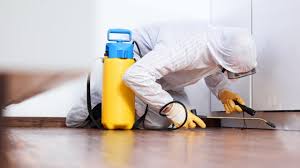
Ants are among the most common pests found in homes. While they may seem harmless, they can contaminate food, damage property, and become a constant nuisance. Understanding proper ant control is essential for maintaining a clean, safe, and comfortable living environment. Early prevention and timely action are key to keeping ants away.
Signs of an Ant Infestation
Recognizing an ant problem early is the first step in effective ant control. Look for these indicators:
-
Trails of ants moving to and from food sources
-
Small piles of dirt or tiny holes in walls, floors, or outdoor areas
-
Ants inside kitchens, pantries, or near pet food
-
Swarms near windows or doors
Spotting these signs promptly allows you to address the issue before it escalates.
Why Ants Can Be Problematic
Even though ants are small, they can cause various issues:
-
Food contamination: Ants can carry bacteria to your food or surfaces
-
Property damage: Certain species, like carpenter ants, can damage wooden structures
-
Rapid multiplication: Colonies can grow quickly, making infestations harder to control
-
Nuisance: Ants crawling on counters, floors, or walls can be unsettling
Effective ant control helps prevent these problems and keeps your home hygienic.
Effective Ant Control Methods
There are several strategies for managing ants, ranging from simple DIY approaches to professional solutions:
Baits and Traps: Use ant baits to lure and eliminate workers, which eventually targets the colony.
Sprays and Powders: Insecticide sprays or powders can kill ants on contact and deter them from returning.
Natural Remedies: Vinegar, lemon juice, and essential oils like peppermint or tea tree oil can disrupt ant trails and repel them.
Professional Services: For severe infestations, pest control experts provide specialized treatment plans to eradicate ants and prevent future problems.
Combining these strategies often provides the best results for long-term ant prevention.
Prevention Tips to Keep Ants Away
Preventing ants is always easier than dealing with an active infestation. Consider these tips:
-
Keep kitchens and dining areas clean and free of crumbs
-
Store food in sealed containers and promptly clean up spills
-
Remove standing water sources and fix leaks
-
Seal cracks and gaps around doors, windows, and walls
-
Trim outdoor vegetation that may serve as ant highways
A clean and well-maintained home discourages ants from invading.
Natural Remedies for Ant Control
If you prefer eco-friendly solutions, natural remedies can help supplement ant control efforts:
-
Vinegar: Wiping surfaces with a vinegar solution can erase ant scent trails
-
Cinnamon or coffee grounds: Sprinkling these around entry points can repel ants
-
Essential oils: Peppermint, eucalyptus, or tea tree oil disrupt ant behavior and deter entry
While these methods can be helpful, combining them with other strategies often ensures more effective results.
When to Call Professionals
Some ant infestations are difficult to manage alone. Professional pest control services offer:
-
Inspection to identify ant species and colony locations
-
Targeted treatments to eliminate the colony
-
Preventive solutions to reduce the risk of future infestations
Professional ant control provides peace of mind and long-lasting results.
Health and Safety Tips During Ant Control
While managing ants, keep safety in mind:
-
Avoid direct contact with insecticides or baits
-
Keep children and pets away from treated areas
-
Use gloves when cleaning ant trails or handling chemicals
-
Ventilate areas after spraying insecticides
Following these precautions ensures safe and effective ant management.
FAQs About Ant Control
Q1: How fast do ants multiply?
A: Ant colonies can grow quickly, especially if food and water are readily available.
Q2: Can vinegar really repel ants?
A: Yes, vinegar disrupts scent trails and can help deter ants from entering certain areas.
Q3: Are ant sprays safe for pets?
A: Most sprays are toxic to pets. Always read instructions and use pet-safe alternatives when possible.
Q4: How often should I check for ants?
A: Inspect your home weekly, especially kitchens, pantries, and areas near water sources.
Q5: Can I completely eliminate ants with DIY methods?
A: Small infestations can be managed with DIY methods, but larger or persistent colonies may require professional help.
Conclusion
Effective ant control is essential for a clean, safe, and comfortable home. By combining prevention, natural remedies, DIY strategies, and professional support when necessary, you can keep ants away for good. For reliable and expert ant management services, trust PestAI to protect your home from ants and ensure a pest-free living environment.