Introduction
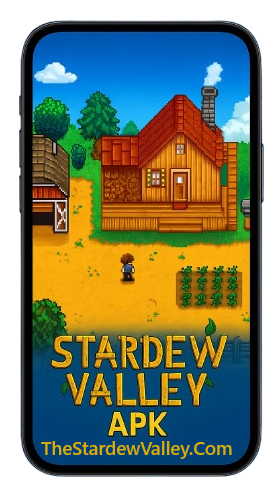
Stardew Valley is more than just a farming simulation game; it is a heartfelt experience that combines relaxation, creativity, and emotional storytelling. Developed by Eric Barone, also known as ConcernedApe, Stardew Valley was first released in 2016 and quickly became a global phenomenon. What started as a solo indie project grew into one of the most beloved games of all time, enjoyed by millions of players across PC, consoles, and mobile platforms.
At its core, Stardew Valley offers players a chance to escape the pressure of modern life. You play as a character who leaves a dull corporate job to inherit a rundown farm from their grandfather in a quiet town called Pelican Town. From that simple beginning, the game opens into a rich world filled with farming, mining, fishing, combat, relationships, festivals, and personal growth.
The beauty of Stardew Valley lies in its freedom. There is no strict time limit, no forced path, and no “wrong” way to play. Whether you want to focus on farming crops, raising animals, building friendships, exploring caves, or simply enjoying the peaceful soundtrack, the game allows you to play at your own pace. This article explores every major aspect of Stardew Valley in detail, making it a complete guide for both beginners and experienced players.
The Story and Setting of Stardew Valley
The story of Stardew Valley apk begins with exhaustion and dissatisfaction. The player’s character works a soul-crushing job at Joja Corporation, symbolizing the stress of modern corporate life. One day, you remember a letter from your late grandfather, inviting you to take over his farm if life ever became too much. That moment becomes the turning point.
You arrive in Stardew Valley, a quiet rural area filled with forests, rivers, mountains, and a close-knit community. The farm you inherit is overgrown and neglected, but it represents opportunity and freedom. As you clean it up, plant crops, and build structures, you slowly transform both the land and yourself.
Pelican Town feels alive. Villagers have daily routines, personal struggles, dreams, and evolving relationships. Over time, you learn their stories, help them through events, and become part of the community. This emotional depth makes Stardew Valley feel personal and meaningful rather than mechanical.
Gameplay Overview
Stardew Valley gameplay is a life-simulation game with role-playing elements. Each in-game day lasts around 14 minutes, encouraging players to plan their time carefully. Energy management plays an important role, as most activities consume energy.
The main gameplay systems include:
- Farming
- Fishing
- Mining
- Foraging
- Combat
- Crafting
- Social interaction
These systems are interconnected, creating a balanced and rewarding gameplay loop. Players earn money (gold) through various activities and reinvest it into tools, buildings, animals, and upgrades.
Farming System Explained
Farming is the heart of You begin with basic tools and a small plot of land. As you progress, farming becomes more complex and profitable.
Crops and Seasons
There are four seasons in Stardew Valley : Spring, Summer, Fall, and Winter. Each season has specific crops that grow only during that time. For example:
- Spring: Parsnips, Cauliflower, Potatoes
- Summer: Blueberries, Melons, Hot Peppers
- Fall: Pumpkins, Cranberries, Yams
- Winter: No outdoor crops (without a greenhouse)
Understanding seasonal cycles is essential for maximizing profit.
Farming Skills and Professions
As you farm, you gain experience and level up. Each skill level unlocks crafting recipes and professions. At certain levels, you can choose professions that boost profits or efficiency, allowing you to specialize in specific playstyles.
Raising Animals and Farm Buildings
Animals add depth and long-term income to your farm. You can raise:
- Chickens
- Cows
- Goats
- Sheep
- Ducks
- Pigs
Each animal produces items such as eggs, milk, wool, or truffles. Taking care of animals by feeding and petting them daily improves product quality.
Farm buildings like barns, coops, silos, and sheds can be upgraded to increase capacity and unlock new features. Automating tasks with machines makes farming more efficient and satisfying.
Fishing in Stardew Valley
Fishing is one of the most challenging yet rewarding activities in the game. It involves a mini-game where timing and control are essential. Fish vary by season, time of day, weather, and location.
Fishing provides:
- Early-game income
- Community Center bundles
- Cooking ingredients
- Rare legendary fish challenges
As you improve your fishing skill, the mini-game becomes easier, making it more enjoyable over time.
Mining and Combat
Mining introduces exploration and danger into Stardew Valley. The mines are filled with ores, gems, monsters, and secrets.
Resources Found in Mines
- Copper, Iron, Gold, and Iridium
- Coal and Geodes
- Rare gems like Diamonds and Prismatic Shards
Combat Mechanics
Combat is simple but effective. You use weapons such as swords, daggers, and clubs to defeat monsters. Rings and boots provide bonuses like defense or health regeneration.
Mining is essential for crafting, tool upgrades, and progression.
Crafting and Tool Upgrades
Crafting allows players to turn raw materials into useful items like sprinklers, machines, fences, and decorations. Tool upgrades improve efficiency and unlock new abilities, such as watering multiple tiles at once.
Upgrading tools requires:
- Gold
- Metal bars
- Time
These upgrades significantly improve gameplay quality and reduce daily workload.
Relationships and Social Life
One of Stardew Valley’s strongest features is its social system. You can interact with villagers, give gifts, attend festivals, and build friendships.
Marriage and Family
You can romance certain characters, marry them, and even have children. Each romance option has unique dialogue and story events, making relationships feel personal.
Friendship affects gameplay by unlocking recipes, cutscenes, and story content.
Festivals and Community Events
Festivals bring Pelican Town together and add variety to the calendar. Events like the Egg Festival, Stardew Valley Fair, and Night Market provide games, rewards, and memorable moments.
Festivals break routine and deepen immersion in the world.
The Community Center vs JojaMart Choice
One of the most important decisions in Stardew Valley farming is choosing between restoring the Community Center or supporting JojaMart.
- Community Center Route: Focuses on helping the town, restoring tradition, and unlocking rewards gradually.
- JojaMart Route: Allows faster progression through money but removes some emotional depth.
Most players prefer the Community Center route due to its meaningful storytelling.
Mods and Replayability
Stardew Valley has a massive modding community, especially on PC. Mods can add new characters, crops, mechanics, and even entire storylines.
Replayability is extremely high due to:
- Different farm layouts
- Multiple romance options
- Skill choices
- Personal goals
Every playthrough feels unique.
Why Stardew Valley Is So Popular
Stardew Valley’s popularity comes from its emotional connection, relaxing gameplay, and freedom of choice. It appeals to casual gamers, hardcore players, and even people who don’t usually play games.
The soundtrack, pixel art, and simple controls create a calming atmosphere that helps players unwind and feel productive at the same time.
Frequently Asked Questions (FAQs)
Is Stardew Valley suitable for beginners?
Yes, the game is very beginner-friendly and teaches mechanics gradually.
Can you play Stardew Valley offline?
Yes, Stardew Valley can be played offline on all platforms.
Is Stardew Valley multiplayer?
Yes, multiplayer mode allows friends to farm together.
How long is Stardew Valley?
The game has no real ending and can be played indefinitely.
Is Stardew Valley worth playing in 2025?
Absolutely. Regular updates and mods keep the game fresh.
Can Stardew Valley reduce stress?
Many players find the game relaxing and mentally soothing.
Conclusion
Stardew Valley is a masterpiece of modern gaming that proves games do not need high-end graphics or massive budgets to be meaningful. Its charm lies in simplicity, freedom, and emotional depth. Whether you are planting crops, mining deep underground, forming friendships, or just listening to the peaceful music, the game offers an experience that stays with you long after you stop playing.
For anyone looking to escape stress, express creativity, or enjoy a slow and rewarding journey, Stardew Valley is not just a game—it is a second home. Its timeless design ensures that it will continue to inspire and comfort players for years to come.